The best gaming phones in 2026 are the Samsung Galaxy S26 Ultra on Android and the Apple iPhone 17 Pro Max on iOS. Both run the fastest chips you can buy, drive 120Hz displays, and handle anything from native titles to cloud streaming and emulation. If you want flagship gaming without the flagship price, the Samsung Galaxy A56 is the value pick at $499.
Phones are real gaming machines now. A current flagship runs Fortnite at max settings, streams your console library over 5G, and emulates older systems, all while fitting in your pocket. The right device comes down to your budget and whether you prefer Android or iOS. Below, we rank the best options for each.
Best gaming phones
| Samsung Galaxy S26 Ultra | Apple iPhone 17 Pro Max | Google Pixel 10 Pro XL | |
|---|---|---|---|
| Screen size | 6.9" | 6.9" | 6.8" |
| Resolution (pixels) | 3120 x 1440 | 2868 x 1320 | 2992 x 1344 |
| Processor | Snapdragon 8 Elite Gen 5 for Galaxy | A19 Pro | Tensor G5 |
| Storage | Up to 1TB | Up to 2TB | 256GB |
| RAM | 12GB | 12GB | 16GB |
| Battery capacity | 5,000mAh | 5,088mAh | 5,200mAh |
| Refresh rate | 120Hz | 120Hz | 120Hz |
| 5G | Yes | Yes | Yes |
| Learn more | View Details | View Details | View Details |
What to look for in a gaming phone
A gaming phone is only as good as its weakest spec. A fast chip cannot save a phone that overheats, and a 120Hz screen means nothing once the battery dies. There are five main things that determine how a phone performs as a gaming device. Nail these, and the rest is preference.
- Processor: On Android, the Snapdragon 8 Elite Gen 5 leads in 2026. On iPhone, it's the A19 Pro. Both handle demanding titles at high settings.
- Refresh rate: A 120Hz display redraws the screen twice as often as a standard 60Hz panel, so motion looks smoother, and controls feel more responsive. Treat 120Hz as the lowest pick for serious gaming.
- Battery and cooling: Games drain batteries quickly and generate heat, which throttles performance. Look for a 5,000mAh battery or larger, plus cooling that holds speed during long sessions. Sustained performance matters more than a single benchmark spike.
- RAM and storage: Aim for at least 8GB of RAM—12GB or more for heavy multitasking. Modern games are large, so treat 256GB of storage as a practical starting point.
- 5G and connectivity: Cloud gaming and online multiplayer live and die on your connection. Strong 5G and Wi-Fi support keep latency low and stable.
One note on hardware
Brands like Asus ROG and RedMagic build dedicated gaming phones with cooling fans and shoulder triggers. They are powerful, but they only edge out a Galaxy S26 Ultra or iPhone 17 Pro Max in raw gaming performance. The real problem is that they're gaming phones first and traditional cell phones second. The cameras lag behind, the software gets fewer updates, and the boxy designs are built for marathon sessions—not for slipping in a pocket all day.
The flagships in this guide get you nearly all the gaming performance you'll actually want in a phone you'll use the other 20 hours of the day.
Best Android Gaming Phones
Android gives you native titles, cloud gaming, and the deepest emulation options of any platform. These four cover every budget. For current discounts, check the latest Samsung Galaxy deals.
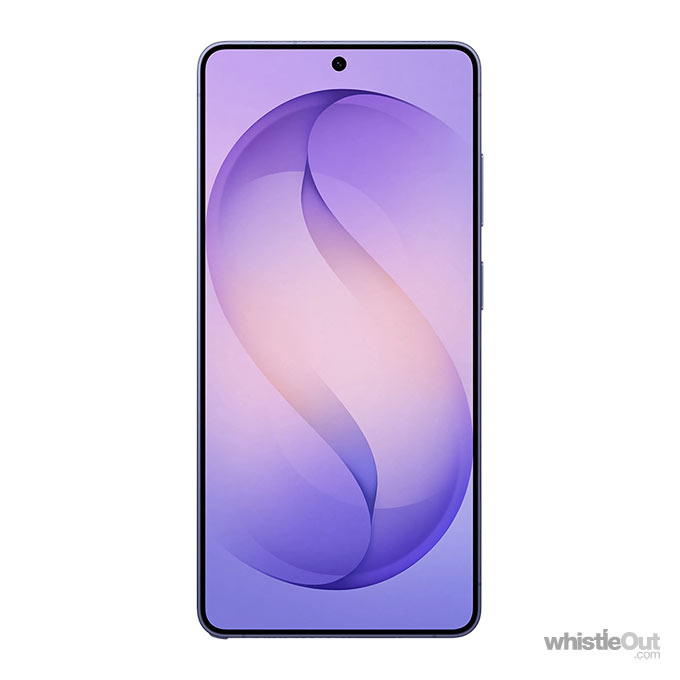
Samsung | Galaxy S26 Ultra | $1,299—Best Android phone for gaming
The Galaxy S26 Ultra runs the Snapdragon 8 Elite Gen 5 for Galaxy, an overclocked version of Qualcomm's fastest chip. It plays anything in the Play Store at max settings and handles PlayStation 2 and Wii emulation with room to spare. Cloud gaming through NVIDIA GeForce NOW and Xbox runs clean.
The 6.9-inch QHD+ display hits 120Hz for responsive controls, and the 5,000mAh battery lasts through long sessions. The built-in S Pen works in select games, and up to 1TB of storage provides ample space for a large game library. It costs a lot and charges more slowly than some rivals, but no Android phone is better for gaming.
- Pros: Top-tier Snapdragon chip, 120Hz QHD+ display, S Pen, up to 1TB storage
- Cons: Expensive, slower charging than some competitors
Samsung | Galaxy S26 | $799—Best value flagship
The standard Galaxy S26 carries nearly all of the Ultra's gaming muscle for $500 less. In the US, it runs the same Snapdragon 8 Elite Gen 5 for Galaxy as the Ultra, so demanding titles and cloud streaming run just as smoothly here as they do on the more expensive phone. The 6.3-inch LTPO AMOLED display supports a 120Hz refresh rate, keeping motion crisp during fast-paced games. The smaller screen even works in the S26's favor as a gaming device, since it is easier to hold for long sessions and reach every corner of the display.
You do give things up. The 4,300mAh battery is smaller than the Ultra's 5,000mAh cell, so heavy sessions drain it faster, and there is no S Pen. You also drop from QHD+ to a sharp 1080p panel, losing the larger 6.9-inch canvas. None of that touches raw performance, which is the point. For flagship gaming on a tighter budget, start here.
- Pros: Flagship Snapdragon chip, 120Hz display, strong value
- Cons: Smaller battery and screen than the Ultra, no S Pen
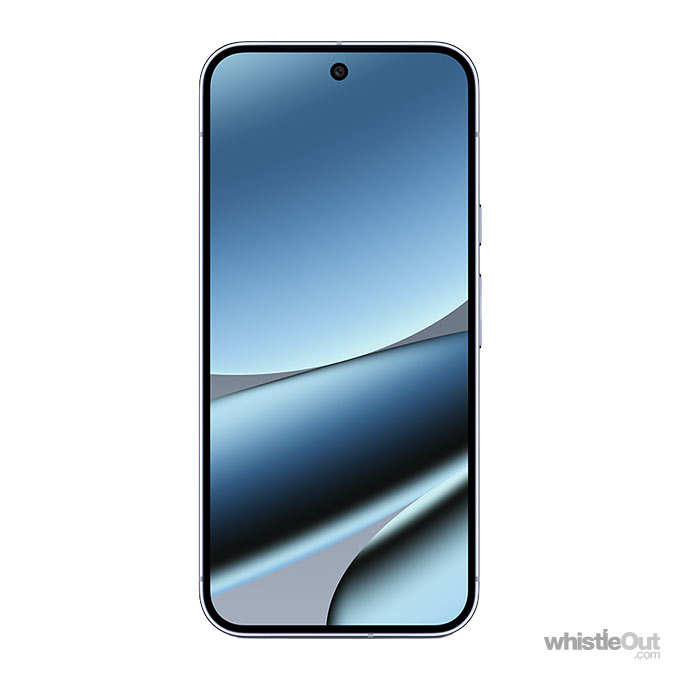
Google | Pixel 10 Pro XL | $1,199—Best for emulation and cloud gaming
The Pixel 10 Pro XL is the best all-rounder on this list. Its Tensor G5 chip and clean Android build make it a standout for emulation and for cloud gaming over GeForce NOW and Xbox, where a fast connection matters more than raw silicon. The 6.8-inch 120Hz OLED stays smooth, and the 5,200mAh battery holds up.
However, keep in mind that the Tensor G5 trails the Snapdragon 8 Elite Gen 5 in heavy, sustained gaming and top-end graphics. If you mostly emulate, stream, and play popular titles rather than chase maximum frames, the Pixel is the better daily phone. If you want the most demanding games maxed out, the Galaxy S26 Ultra pulls ahead.
- Pros: Excellent for emulation and cloud gaming, easy-to-navigate interface, strong cameras
- Cons: Tensor G5 trails Snapdragon for heavy gaming
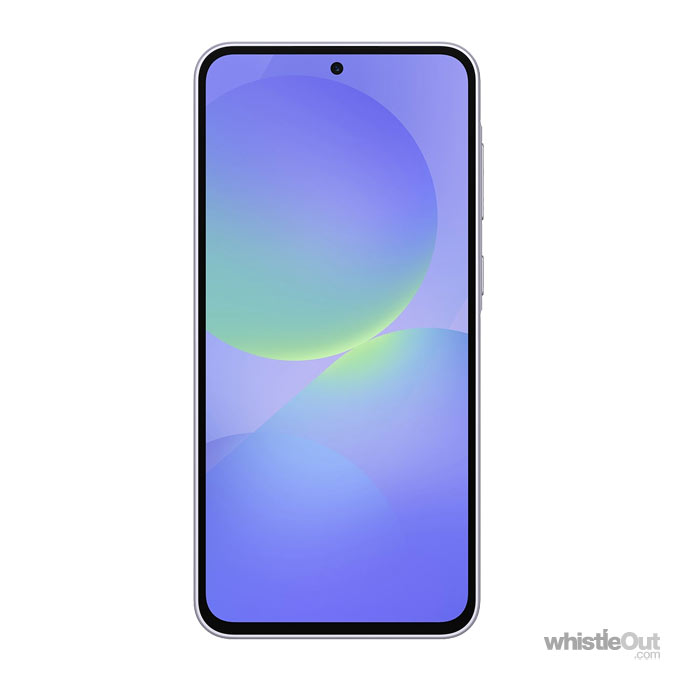
Samsung | Galaxy A36 | $399—Most affordable gaming phone
The Galaxy A36 is the cheapest way onto this list, and it covers the basics better than its $399 price suggests. Its Snapdragon 6 Gen 3 chip runs popular titles like PUBG Mobile and Call of Duty: Mobile at lower-to-medium settings, and the 6.7-inch Super AMOLED display runs at 120Hz—rare at this price and the single biggest reason it feels good in your hand. The 5,000mAh battery matches the flagships on this list and lasts through long sessions, and 45W wired charging tops it back up fast. A larger vapor chamber than the previous generation helps it hold performance instead of throttling early.
The catch is the chip. The Snapdragon 6 Gen 3 is a budget processor, so heavy 3D games force real compromises on settings, and frame rates fall well short of the A56 above it and the flagships at the top. The base model also starts at 6GB of RAM and 128GB of storage, though a microSD slot lets you expand storage for a large game library. Like the rest of the A series, it gets six years of OS and security updates, so it keeps earning new game support for years. If your budget is firm and you mostly play popular titles rather than push max settings, the A36 is the most gaming phone you can get for the money.
- Pros: 120Hz AMOLED, lowest price on the list, microSD slot, long update support
- Cons: Budget chip struggles with heavy 3D games, 6GB base RAM
Looking for a deal?
Every phone on this list shows up in carrier promotions throughout the year, from trade-in credits to buy-one-get-one offers to discounts for switching. The savings can be significant, especially on the flagships. Browse the latest cell phone deals to find current offers across every major carrier before you commit.
Best iPhones for Gaming
iOS is a strong gaming platform, with Apple Arcade, a deep App Store catalog, and even iMessage games you can play with friends. You just need the right iPhone. These three cover the lineup. For current pricing, check the latest iPhone deals.
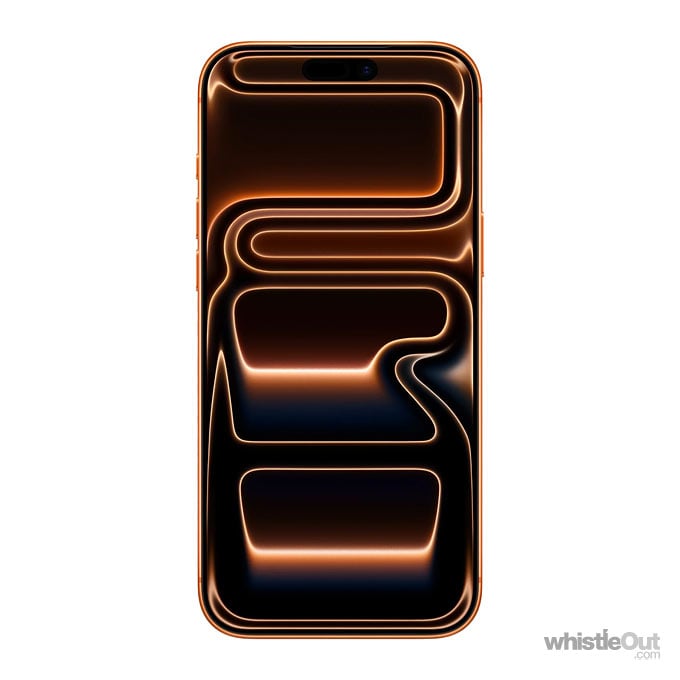
Apple | iPhone 17 Pro Max | $1,199—Best iPhone for gaming
The iPhone 17 Pro Max is the best mobile gaming experience on either platform. Its A19 Pro chip matches or beats the leading Android chip in benchmarks, and a new vapor chamber keeps it cool through long gaming sessions. The vapor chamber is really what makes this phone earn the top spot. It solves Apple's old throttling problem and delivers up to 40 percent better sustained performance, allowing games like Diablo Immortal, Apex Legends, and Call of Duty: Mobile to run without issues.
The 6.9-inch 120Hz display is the largest and smoothest iPhone screen, and storage climbs to 2TB for players who carry a deep library of large games. Battery life is the best Apple has ever shipped, rated up to 39 hours of video playback, so it holds up through marathon sessions. The tradeoff is the price and the size: This is a big, heavy phone, and it's the most expensive iPhone you can buy. But if you want the best mobile gaming Apple makes, this is it.
- Pros: A19 Pro chip, vapor chamber cooling, 120Hz display, up to 2TB storage
- Cons: Expensive
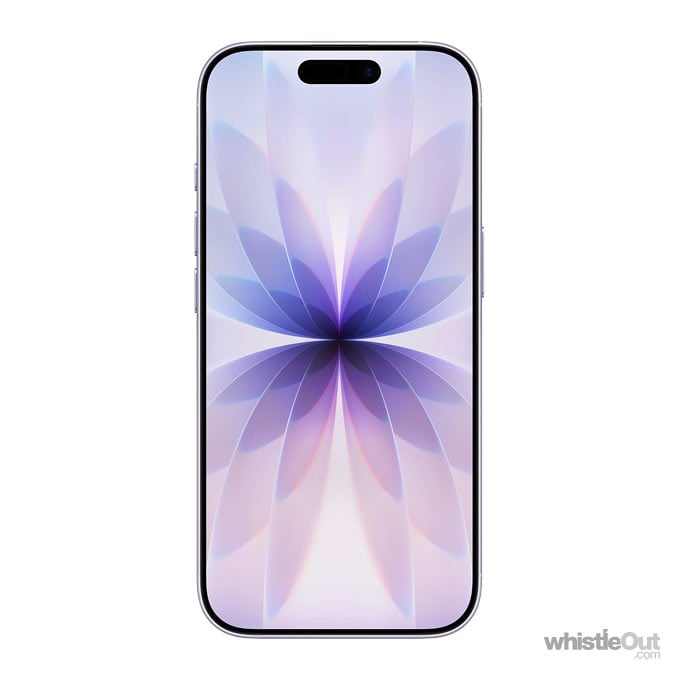
Apple | iPhone 17 | $799—Best midrange iPhone
The standard iPhone 17 finally got a 120Hz display. ProMotion used to be a Pro-only feature, and putting it on the base model fixes the one thing that held older, cheap iPhones back for gaming. Add the A19 chip, and it runs almost anything in the App Store without breaking a sweat. The 256GB starting storage helps too, since modern games are huge and you won't be deleting apps every few weeks to make room.
So what does the Pro Max get you that this doesn't? Cooling, mostly. The iPhone 17 skips the vapor chamber, so it heats up and throttles faster on long sessions with the most demanding games, and it runs the A19 instead of the A19 Pro. Play in short bursts, and you'll never feel it, which, given how most people actually game on a phone, the 17 is plenty.
- Pros: A19 chip, 120Hz ProMotion now standard, 256GB base storage
- Cons: No vapor chamber, steps down from the A19 Pro
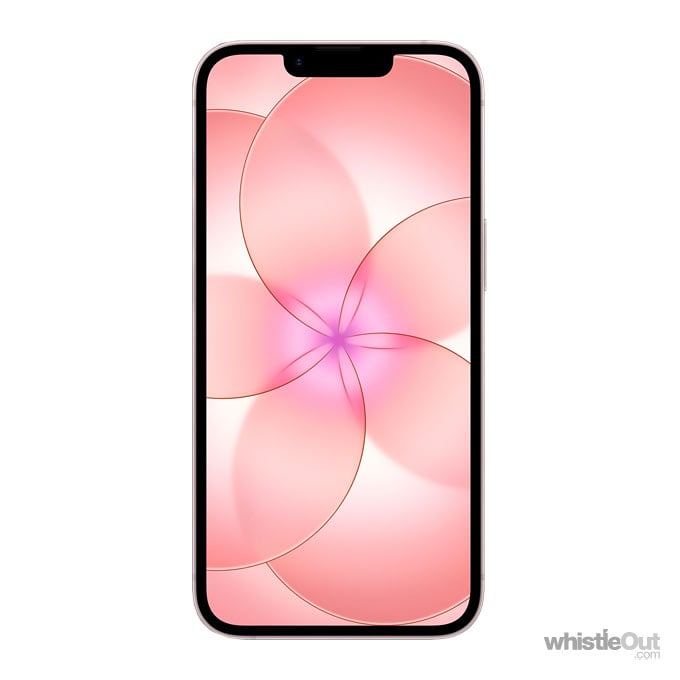
Apple | iPhone 17e | $599—Best budget iPhone
The iPhone 17e is the cheapest way into current-generation iOS gaming, and the reason it works is the chip. It packs the same A19 as the standard iPhone 17, so it can run complex games at the same performance level as a phone that costs $200 more. That is rare in a budget phone, where the processor is usually the first thing makers cut. Storage starts at 256GB, too, so you are not boxed in on space.
The compromise is the screen. The 17e uses a 60Hz display rather than the 120Hz ProMotion panel on the rest of the lineup, so scrolling and fast games will not feel as fluid, and you give up the smoothness that high-refresh gaming is built around. The chip is the reason to buy the 17e and is how it earns its place in this guide. Just go in knowing that the display is where Apple cut costs.
- Pros: A19 chip, 256GB base storage, strong value
- Cons: 60Hz display, basic camera
Methodology: How we picked the best gaming phones
We built this list by evaluating the specs that decide how well a phone performs in games, then weighing them by platform and budget. For each phone, we looked hard at the specs that separate a phone that handles demanding titles from one that struggles:
- Processor: The single biggest factor in gaming performance, and the thing a phone cannot make up for elsewhere.
- Display and refresh rate: Resolution and a 120Hz or higher panel for smooth motion and responsive controls.
- Cooling: What keeps a phone fast during a long session instead of letting heat throttle the performance.
- Battery capacity: Enough to survive marathon sessions without a charger.
- RAM and storage: Room to multitask and to hold a library of large modern games.
We sorted our picks into Android and iPhone, then chose the best option at each price point, from full flagships down to budget models. Where a phone makes a real tradeoff, like a slower chip or a 60Hz screen, we call it out so you know exactly what you are getting for the money.
What your phone plan needs for mobile gaming
The phone is half the equation. Mobile gaming, especially cloud gaming and online multiplayer gaming, leans hard on your connection. A few things matter when you pick a plan.
You want high-speed 5G data because cloud gaming streams a live video feed, and slow data leads to lag and stutter. You want enough premium data that gaming and large downloads do not push you into throttled speeds, which is why an unlimited plan with a generous premium-data allotment is the safe choice for heavy players. Low latency keeps online matches responsive, so strong 5G coverage where you actually play counts more than a big number on a coverage map. And if you game on the go or tether to other devices, check the mobile hotspot allowance.
You do not need a gaming-specific plan. You need fast, stable data and enough of it. Here are some of our favorites.
|
Visible

$25 Visible Plan
$25.00/mo
Taxes & Fees included
|
|
Mint Mobile

Unlimited Data Plan
$30.00/mo
$90.00 upfront payment for 3 months <br>(equals to $30.00/month). <br>Intro pricing for new customers only.
|
|
Visible
$375 Visible+ Annual Plan
$375.00
Regular rate at $420/year<br>Taxes & Fees included
|
|
Verizon

Simplicity Plan
$30.00/mo
+ Taxes & Fees. Price includes AutoPay & Bring a Number discount
|
|
T-Mobile

Essentials Saver 2.0
$50.00/mo
with Auto-Pay - Taxes & Fees NOT included
|
|
AT&T

Elite 2.0℠
$110.00/mo
+ $35 Upfront
|
|
AT&T
Value 2.0℠
$50.00/mo
+ $35 Upfront
|
|
Visible
$30 Visible+ Plan
$30.00/mo
Taxes & Fees included
|
|
US Mobile

Unlimited Starter Plan
$25.00/mo
|
|
AT&T
Extra 2.0℠
$70.00/mo
+ $35 Upfront
|
Best gaming phones: FAQ
What is the best gaming phone in 2026?
The Samsung Galaxy S26 Ultra is the best Android gaming phone, and the Apple iPhone 17 Pro Max is the best iPhone for gaming. Both run the fastest chips available and pair them with 120Hz displays.
What should you look for in a gaming phone?
For a gaming phone, prioritize a fast processor, a 120Hz or higher refresh rate, strong cooling, and a 5,000mAh or larger battery. Aim for at least 8GB of RAM, 256GB of storage, and solid 5G support.
Are gaming phones worth it?
Gaming phones are worth it if you play often, since a current flagship plays native titles at high settings, streams console games over 5G, and emulates older systems, all from your pocket. The bigger question is which one fits your budget, not whether the category delivers.
What is the cheapest good gaming phone?
The Samsung Galaxy A56 at $499 is the cheapest quality gaming phone. Its 120Hz AMOLED display and capable processor handle most games well for the price.
Do you need a special plan for mobile gaming?
You do not need a special plan for mobile gaming, just fast, stable 5G data and enough premium data to avoid throttling. An unlimited plan with a generous premium data allotment covers most players.
Scott Houghton
Jr. Staff Writer

Find a better phone plan
Thousands of cell phone plans unpacked. All the facts. No surprises.


.png?w=280&h=280&usm=20&usmrad=0.8&fit=crop "Best Cell Phone Deals for October 2026: Get the New iPhone 18 Pro for Free")


.png?w=280&h=280&usm=20&usmrad=0.8&fit=crop "Cell Coverage Near You: Who Has the Best 5G Network?")


.jpg?w=280&h=280&usm=20&usmrad=0.8&fit=crop "Verizon Fios Internet vs. Optimum Internet")