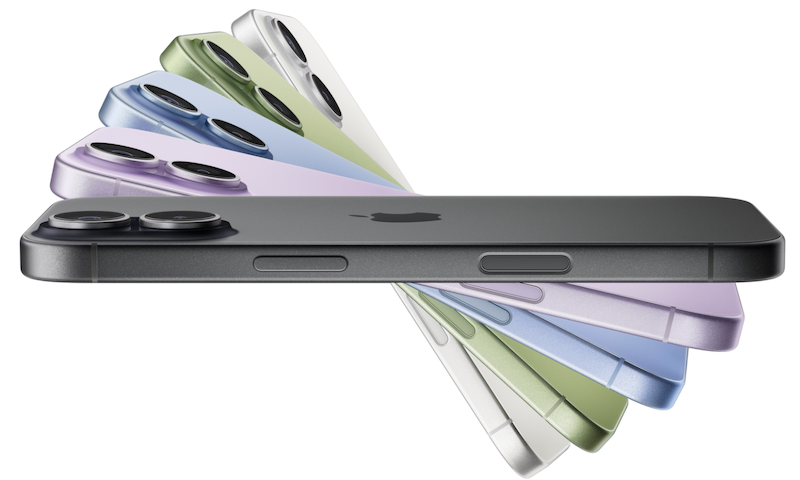
TL;DR: Apple's older iPhones got quietly more expensive right as the iPhone 18 lineup arrived
- Apple raised prices by $100 across the board on the iPhone 16, iPhone 17e, iPhone 17, and iPhone Air, the same day it revealed the iPhone 18 Pro lineup.
- The iPhone 17 Pro and 17 Pro Max are gone from the lineup entirely, replaced by the new iPhone 18 Pro models starting at $1,199 and $1,299.
- Apple hasn't confirmed a reason, but rising memory chip costs (driven in part by the AI boom) are the most likely culprit, following similar hikes on Macs, iPads, and other devices earlier this year.
- If you bought your iPhone before today, you got in under the old prices. If you're shopping now, expect the "budget" iPhones to cost more than they did last week.
You know that feeling when you go back to a favorite restaurant, expecting the same menu prices, and find out everything went up $2 while you weren't looking? That's basically what just happened to the iPhone lineup.
Apple quietly raised the price of every iPhone still for sale, by as much as $100, the same day it introduced the iPhone 18 Pro, iPhone 18 Pro Max, and its first foldable, the iPhone Duo. This price rise breaks from Apple's normal routine of dropping the price of older models once a new lineup is announced.
The new prices showed up directly on Apple's own website, with no press release and no mention on stage. That's not a rumor or a leak (this one's confirmed, since anyone can check the pricing themselves), just a company hoping nobody would notice the fine print while they were busy looking at the new stuff.
Here's how much more you'll pay for older iPhones now
Every model Apple still manufactures got the exact same treatment: a flat $100 markup, no matter which one you pick.
- iPhone 16: $799 (up from $699)
- iPhone 17e: $699 (up from $599)
- iPhone 17: $899 (up from $799)
- iPhone Air: $1,099 (up from $999)
If you were counting on one of these as the "cheap" option in the lineup, the budget just moved on you.
Why the iPhone 17 Pro and Pro Max disappeared
As in years past, the iPhone 17 Pro and Pro Max didn't get a quiet price bump. Instead, Apple discontinued the 17 Pro models outright once it announced the updated Pro devices, while keeping the base iPhone 17 and 16 models still available (though you can still buy iPhone 17 Pro and Pro Max models through phone carriers).
In their place, Apple slotted in the new iPhone 18 Pro (starting at $1,199) and iPhone 18 Pro Max (starting at $1,299). Both are more expensive than what they replaced, so if you were hoping to grab a last-gen Pro at a discount, that option is off the table.
Still hoping for a deal?
Even though Apple raised its prices for older iPhone models, you can still find carrier deals to drop the costs and make your purchase easier on your wallet.
Choose from the iPhones below to see carrier deals and purchase options:
iPhone 18 Pro 256GB
- 6.3 inch display
- Rear Cameras: 48MP, 48MP, 48MP
- Front Camera: 18MP

iPhone 18 Pro Max 256GB
- 6.9 inch display
- Rear Cameras: 48MP, 48MP, 48MP
- Front Camera: 18MP

iPhone 18 Pro 512GB
- 6.3 inch display
- Rear Cameras: 48MP, 48MP, 48MP
- Front Camera: 18MP

iPhone 18 Pro 1TB
- 6.3 inch display
- Rear Cameras: 48MP, 48MP, 48MP
- Front Camera: 18MP

iPhone 18 Pro Max 1TB
- 6.9 inch display
- Rear Cameras: 48MP, 48MP, 48MP
- Front Camera: 18MP


Why is Apple raising iPhone prices? Memory chip costs, explained
Short answer: It's probably memory chips. These parts inside your phone that store your photos, apps, and everything else, and let you switch between them quickly, have gotten a lot more expensive this year.
Data centers building out AI tools are buying up so much memory and storage that the supply left for phones and laptops has gotten tighter and pricier. Apple has been warning about this for months, and it already raised prices on Macs, iPads, the Apple TV, and HomePods earlier this year. Phones were just the last product line left standing.
What we don't know about iPhone pricing yet
Apple hasn't released an official statement explaining the increase, so the chip-shortage link is an educated guess based on the company's past comments, not a confirmed reason from Apple.
It's also worth setting expectations here rather than assuming the worst (or the best). We don't know if this is a one-time adjustment or the first of more increases if chip costs keep climbing. We also don't know whether carriers will roll out bigger trade-in credits or promo pricing to soften the blow for shoppers, though that's worth watching for.
Should you buy an iPhone right now, or wait?
If you already own an iPhone 16, 17, or Air, you got in at the old price, so no action needed. If you're shopping for a new one this week, take a few minutes to compare carrier trade-in deals and installment pricing before you buy, since those numbers move independently of Apple's list price and could still work in your favor.
Aaron Gates
Deputy Editor

Thousands of cell phone plans unpacked. All the facts. No surprises.
Related Articles


Related Topics
News ApplePopular Topics
Featured App Reviews iOS News Coverage Device Reviews Device Explainers Carrier Explainers App Roundups T-Mobile


Free iPhone 18 Pro, up to $1,200 off, with a trade-in in any condition or a line switch on Experience Beyond


.png?w=280&h=280&usm=20&usmrad=0.8&fit=crop "Best Cell Phone Deals for October 2026: Get the New iPhone 18 Pro for Free")